Geotagging, more harm than good?

You are on vacation at a national park and you take lots of pictures of the incredible landscape and wildlife. When you upload them to Facebook, it automatically adds the location or asks you if you want to add it. Now, when you geotag your image, everyone around you knows the location where they can visit for themselves and appreciate the beauty you also saw.
But what is Geotagging exactly? Geotagging is the process of adding geographical information metadata to various media such as photographs, videos, websites, QR codes or RSS feeds. Geotagging is a fancy word of adding the location to your Instagram picture, Facebook Post, Snapchat filter or any other social media platform displaying the locations where you took the image and letting others know where you at.
It's incredible where technology can take us. With the touch of a bottom, we can also travel to the location where our friend has traveled but these awesome advantages can also harm. Frequently visited areas like a National Park or a scenic overlook is for our enjoyment, where we camp and enjoy outdoor activities safely.
These awesome advantages can also harm, in April of 2018, Ryan Andersen was visiting Corona Arches National Park in Utah where he drew with a sandstone shard a heart with his wife and his initial. As he drew it as an act of love, he actually damaged one of the arches. The locals were outrageous for his act and Andersen has faced online backslash ever since. Andersen wrote an apology letter for his actions at the National Park,
“I am very sorry and embarrassed for my recent actions when visiting Corona Arch in southern Utah. While hiking in the Moab area with my family, I drew with a sandstone shard, a heart with me and my wife’s initials and the year above it. At that moment, I foolishly thought I was conveying my love for my wife when, in fact, I was tarnishing the experience for others who also want to enjoy the magnificent scenery. My actions were wrong. I am extremely sorry for my conduct. I acted in the spur of the moment and did not stop to think about what I was doing,” wrote Ryan Andersen. (source)
This is a clear example of how can we damage something nice even at a national park where it would be safe to geotag. But what would happen when we want to venture off the beaten path and go look into unexplored areas or rarely frequented areas?
Thanks to cellular GPS data, cellphones can determine the geographical location of an image even if it has a very low signal. By doing that, people who we don't know are attracted to the location when we make the post public, inviting them to explore where you've been. You might be a clean person and pick after yourself, but that person you don't know, throws trash or damage endangered ecosystem and wildlife. That's when geotagging can be a problem.
As much as you enjoy adding the location of where we are at, we have to consider the effects that are coming afterward. The more people visit, the higher the location can become polluted and damaged making a beautiful location full of garbage.
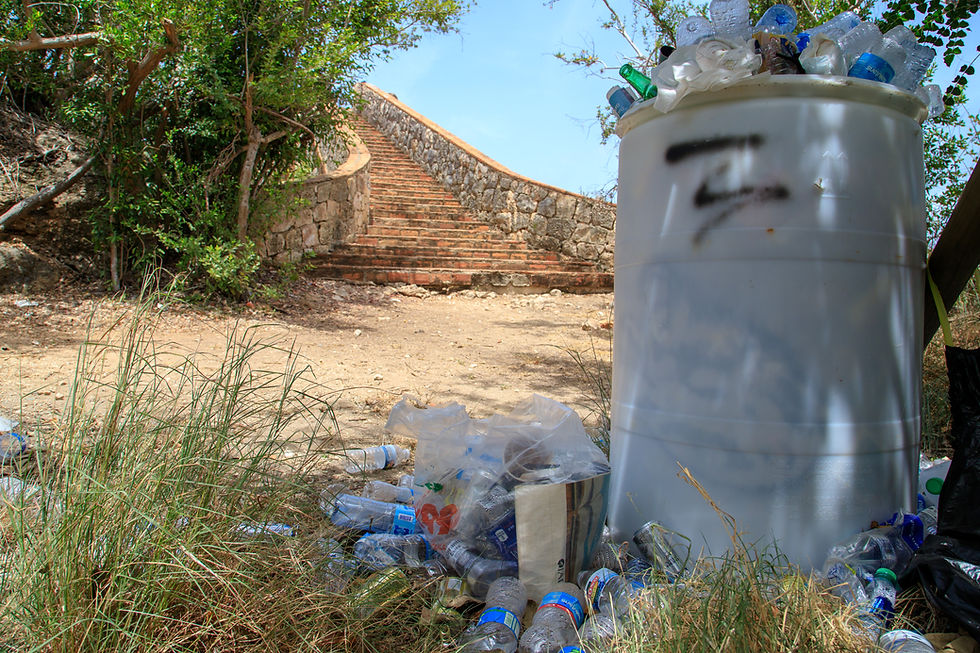
I was hiking on the Dry Forest of Guanica towards the Fort Capron. This is a very popular destination because of the very easy hike you have to do in order to get to the top which has a beautiful view. As I walked along the hiking trail it was just full of garbage. Very small things that we could easily put inside our pockets, like plastic wrapper, and plastic bottles. When I reaches to the top, it looks like a scene out of a horror movie. The place was literally full of trash.
I understand some people are careless about our environment, but I wonders if the increase tourism in these areas is because of geotagging? I will further investigate the geotagging damages in this location in the future. It clear that around the world geotagging has caused some serious damages but for now, I will stay ambiguous on the subject until I can tell for sure if geotagging is actually causing harm to the local ecosystem of Puerto Rico.

Comments